
A two-day branding conference for 150 guests: the Frontify case
Paradigms with Frontify: 150 guests, two days and a one-of-a-kind venue. The challenge and how you'd produce it today.
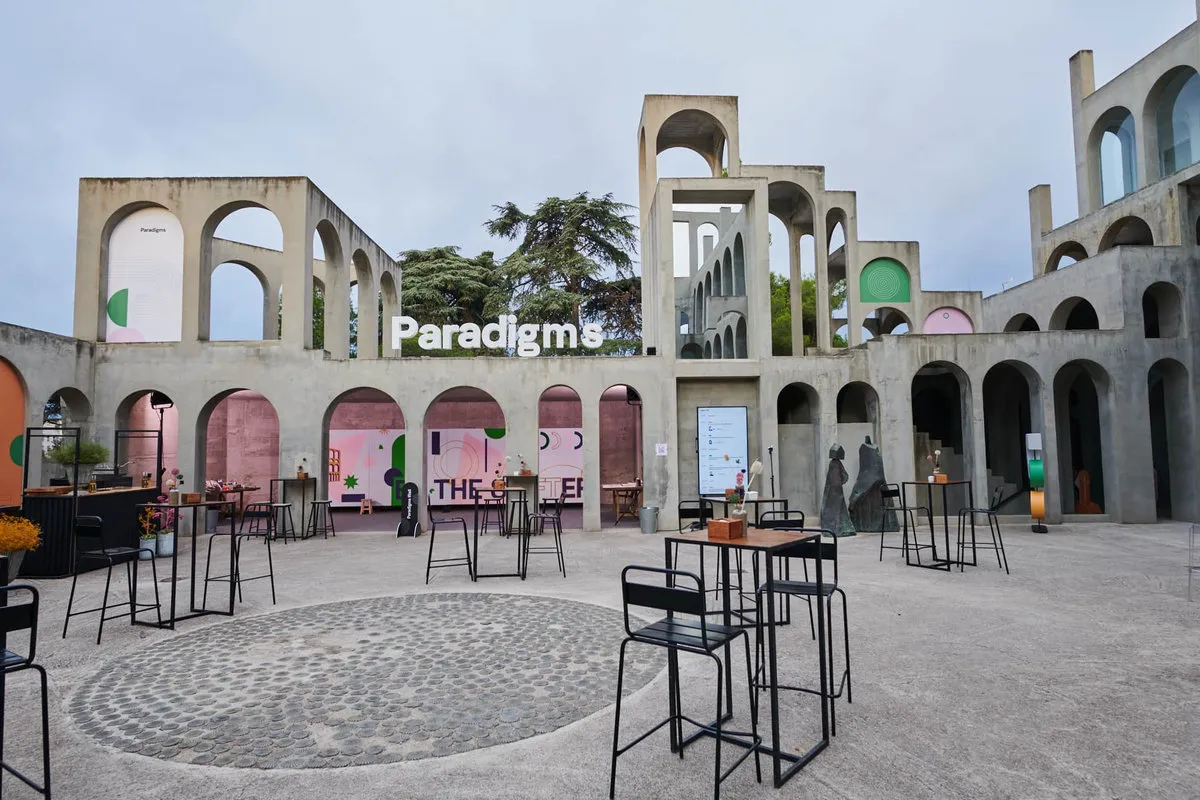
 Paradigms · Xavier Corberó studio
A real event used as a production example. Here is how you would run an event like this with Murphy OS today.
Paradigms with Frontify brought 150 guests together for two days at the Xavier Corberó space in Barcelona to explore where branding is heading, with top-level talks, chef-led food, networking and immersive experiences. Producing a conference like this is not about filling a room with chairs. It is about making a venue with a strong personality work for the content two days in a row. Here are the moving parts and how you would build it today with Murphy OS.
What the event called for
The public write-up puts it this way: turn Paradigms into a reference point for branding and innovation, taking attendees up a level in knowledge and connections.
| Element | What it had |
|---|---|
| Guests | 150 Frontify guests |
| Venue | Xavier Corberó, Barcelona, a space with singular architecture |
| Length | Two intense days |
| Content | Top-level talks on branding trends |
| Experience | Chef-led food, networking, challenges and activities |
The venue was not a backdrop: its architecture and atmosphere were part of the message. That changes production, because you are not working on a neutral room. You have to read the space before you place anything.
The production pieces behind an event like this
A singular venue, not a hotel ballroom
Signature spaces have routes, ceiling heights, corners and limits that never show up on a spec sheet. Talks, food, networking and activities need their own zones, and each zone needs its plan and equipment list.
Two days, two rhythms
A two-day conference has two different run of shows and one clear risk: day 1 running late becomes a habit. The agenda needs fixed points and someone measuring live.
Top-level speakers
Every speaker brings slides, tech needs and a busy diary. You have to contract them, brief them and know where they are on the day.
Chef-led food
When food is part of the experience, catering needs dietary needs and allergies early, not at the bar.
Guests who come to connect
With 150 people and networking as a goal, registration is the first filter: who is coming, from which company, what they care about.
How you would run it today with Murphy OS
This is what we would do with a similar brief. Examples are illustrative.
1. Forms: conference registration in the client’s brand
With the conference template in Forms you build the landing page in the client’s colours and fonts, in English and Spanish if the audience is international. Useful questions:
- Name, company and role, for badges.
- Which days they attend, with capacity.
- Capped workshops or activities with a waitlist.
- Dietary needs and allergies.
- Privacy and image consent boxes.
Before it goes live, the client comments on the landing page from their review link, then follows the figures live. On the day: QR check-in from several phones and printed badges by guest type (attendee, speaker, staff).
2. Scenes: read the venue zone by zone
In Scenes you upload the venue plan, calibrate it with one known measurement and build a scene per zone: theatre rows with stage and screens for the talks, the food area, and the networking space with bars and sofas. Each scene exports its equipment spreadsheet for the rental company. To show the client the result, send the scene to Render.
3. Contracts: venue, suppliers and speakers
In Contracts you start from the venue hire, supplier and speaker templates and switch on what applies: cancellation by either party, image rights, tech rider. Send the draft for review, the speaker fills in their details and signs with a code sent to their email. They are guidance templates: have them checked by your adviser.
4. Plató: a video briefing for speakers
With Plató you record three minutes of screen and camera: slot length, slide format, delivery date and how to reach the venue. One video for every speaker saves twenty emails of questions.
5. Run of show (Escaleta): two days in tabs
In the run of show you set load-in, day 1, day 2 and load-out as tabs. Chained times for talks, pinned times for what cannot move, such as lunch or the close. Colour-coded teams: AV, catering, stage management, hosts. The crew ticks each speaker from their phones and you see if you are ahead or behind. The client follows on their link with the columns you choose.
Lessons worth keeping
- A singular venue is planned by zone, each with its plan and equipment.
- Day 1 sets the pace for day 2. If day 1 ends late, day 2 starts tired.
- Brief speakers once, and well, with a clear delivery date.
- Chef-led food still needs dietary data early.
- Registration is networking too: company and role collected properly make better badges and better conversations.
Your next step
If a two-day conference is coming up, start with three things: a list of venue zones and their use, a run of show for both days with fixed points marked, and a speaker brief with a delivery date. The rest falls into place.
Frequently asked questions
What did Paradigms with Frontify in Barcelona include?
Two days for 150 guests at the Xavier Corberó space, with top-level branding talks, chef-led food, networking and immersive experiences.
How do you plan the agenda for a two-day conference?
One run of show per day in tabs, chained times and the fixed points (doors, lunch, close) pinned, so a speaker who overruns does not drag the whole day without you noticing.
Which contracts does a conference with speakers need?
At least the venue, key suppliers such as catering and AV, and one per speaker covering their slot, image rights and cancellation. Always have them reviewed by your adviser.
How do you brief conference speakers?
Short and clear: slot length, slide format and delivery date. A three-minute video works better than a long email.